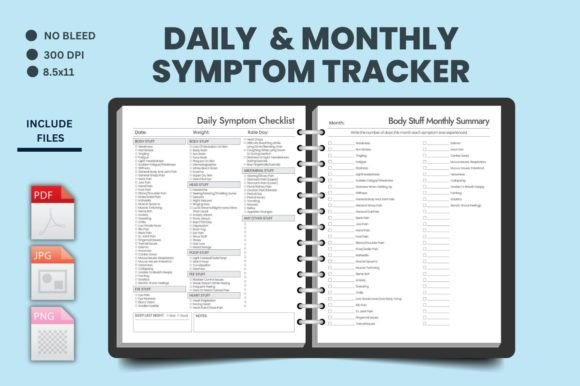
Daily Monthly Symptoms Checklist for Better Health Tracking
Living with a chronic condition or managing ongoing health concerns often feels like trying to solve a puzzle with missing pieces. You visit doctors, describe how you feel, and hope they understand the full picture. But memory is unreliable, especially when fatigue, pain, or brain fog are part of your daily reality. This is exactly where a well-designed symptom tracking system becomes invaluable. The Daily Monthly Symptoms Checklist offers a structured approach to recording how you feel each day and spotting patterns that might otherwise go unnoticed.
What a Symptoms Journal Actually Does
Think of a symptom journal as your personal health diary, but with more purpose than just writing down how you feel. The Daily Monthly Symptoms Checklist combines daily entries with a monthly overview, giving you both granular detail and big-picture perspective. Each day, you check off symptoms you're experiencing, note their severity, and add relevant context like medication changes, meals, sleep quality, or stress levels. The monthly summary then helps you identify trends over time.
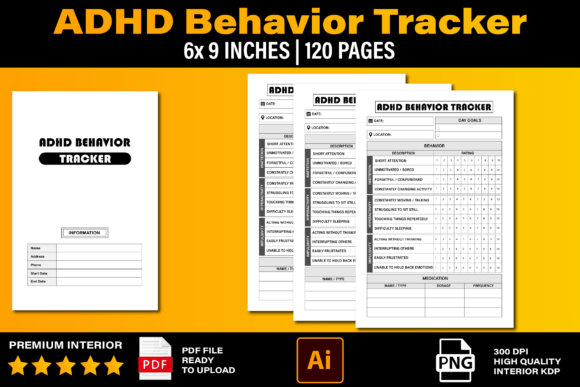
Unlike generic notebooks, this type of tracker is designed specifically for health monitoring. The interior includes 120 pages of thoughtfully laid out prompts, checkboxes, and recording fields. The print-ready format at 8.5 by 11 inches provides plenty of space for detailed entries without feeling cramped. Whether you use the included JPG, PNG, or PDF files, the high-resolution 300 dpi ensures crisp, readable pages even after printing at home or through a professional service.
Why You Might Need a Symptom Tracker
If you've ever sat in a doctor's office struggling to remember how many headaches you had last week or whether a certain food triggered a flare-up, you already understand the core problem. Symptom tracking fills that gap. It turns vague recollections into concrete data that you and your healthcare provider can analyze together.
People who benefit most from a symptoms log include those managing chronic illnesses like fibromyalgia, autoimmune disorders, migraines, IBS, or long COVID. But it's also useful for anyone navigating an undiagnosed condition, tracking recovery after surgery, monitoring side effects from new medications, or simply trying to understand how lifestyle factors affect their wellbeing. The Daily Monthly Symptoms Checklist is practical across many situations because it adapts to your specific needs rather than forcing you into a rigid framework.
Core Features That Make a Difference
What sets a well-made symptom diary apart from a plain notebook is the thoughtful structure. The chronic illness easy symptom checklist format includes dedicated spaces for:
- Daily symptom checkboxes covering pain, headache, fever, breathing difficulties, muscle issues, and sneezing
- Severity ratings so you can track intensity, not just presence
- Medication tracking fields for dosage and timing
- Notes sections for contextual details like food, activity, or stress
- Monthly summary pages to review patterns and prepare for appointments
The combination of daily detail and monthly overview is what makes this approach so effective. You capture the nuances of each day without losing sight of longer-term trends. This dual perspective helps both you and your doctor see connections that daily checklists alone might miss.
Practical Uses in Everyday Life
Imagine you're trying to determine whether a new diet is helping reduce your migraine frequency. With a standard notebook, you might jot down notes sporadically, making it hard to compare week to week. Using a structured symptom chart, you consistently record each day's headache severity, any triggers you noticed, and whether you took preventive medication. After a month, the monthly log reveals a clear pattern: your migraines dropped from twelve per month to five after cutting out processed foods. That's actionable information you can bring directly to your neurologist.
For someone managing an autoimmune condition, tracking fatigue levels alongside joint pain can reveal correlations. Maybe your worst days follow nights of poor sleep, or perhaps a certain supplement genuinely helps. Without a consistent log, these insights remain guesswork. The Daily Monthly Symptoms Checklist transforms guesswork into evidence.
Caregivers and family members also find value in these trackers. If you help a loved one manage their health, having a printable symptom sheet means you can both contribute observations. The digital download format makes it easy to print fresh copies whenever needed, and the no-bleed design ensures clean edges every time.
Who Benefits Most from This Approach
The audience for a medical tracker extends beyond those with diagnosed chronic conditions. Freelancers and entrepreneurs managing their own health without employer-sponsored wellness programs find these tools helpful for staying on top of subtle changes. Busy professionals who struggle to prioritize self care can use an organized health log to spot when they're pushing too hard. Students dealing with stress-related symptoms can track how exam periods affect their physical health. Even hobbyists interested in biohacking or optimizing their performance may enjoy logging data to see what works.
The health tracker format suits anyone who values clarity over chaos. If you've ever felt frustrated by how hard it is to explain your health journey to a doctor, this tool gives you something concrete to hand over. Instead of relying on memory, you present a clear record of symptoms, medications, and patterns.
What to Consider Before Choosing a Symptoms Log
Not all symptom trackers are created equal, and the best choice depends on your specific needs. Here are some practical considerations:
Consistency matters more than complexity. A simple checklist you actually use every day is far more valuable than a detailed system you abandon after a week. The Daily Monthly Symptoms Checklist strikes a good balance between structure and flexibility. It guides you without overwhelming you with too many fields.
Think about your preferred format. Some people prefer a physical notebook they can keep on their nightstand. Others want digital files they can print in bulk or edit on a tablet. The inclusion of JPG, PNG, and PDF files gives you options. You can print a single page to test the layout before committing to the full 120-page interior.
Consider how you'll share information with your healthcare team. A symptom diary is most useful when it translates into better medical care. Look for a layout that makes key data easy to scan. Monthly summaries help your doctor quickly understand trends without reading through daily notes one by one.
Privacy and portability matter. If you plan to carry your health log to appointments, the 8.5 by 11 inch size fits standard binders and folders. The print-ready format also means you can reproduce pages easily if you need extra copies for different providers or family members.
Getting Started with Your Symptom Journal
Starting a new tracking habit doesn't have to be complicated. Begin by printing just a few pages of the Daily Monthly Symptoms Checklist and keeping them somewhere visible, perhaps on your desk or attached to your fridge. Each evening, spend two minutes checking off symptoms and noting anything relevant. Within a week, you'll have a clearer picture of your health than months of relying on memory could provide.
The beauty of a reusable printable symptom diary is that you can adjust your approach over time. Maybe you start by tracking only pain and fatigue, then later add fields for mood, appetite, or exercise. The structure supports gradual customization without requiring you to redesign anything from scratch.
For those managing chronic illness, this kind of tool can also reduce mental load. Instead of worrying about remembering every detail for your next appointment, you simply maintain your log and trust that the information will be there when you need it. That peace of mind alone makes the effort worthwhile.
Making the Most of Your Health Data
Once you've been tracking for a few weeks, take time to review your monthly logs. Look for patterns you might have missed. Do certain symptoms cluster around specific days of the week? Does your headache severity correlate with weather changes or sleep quality? Are there activities that consistently precede good or bad days?
These insights become powerful tools for self advocacy. When you walk into a doctor's appointment with a medication tracker and symptom log showing three months of data, you're no longer just hoping to be believed. You're presenting evidence. That shifts the conversation from "I think I've been having more bad days" to "Here are the numbers showing my pain has increased 40 percent since March."
The Daily Monthly Symptoms Checklist is more than just a notebook. It's a bridge between your daily experience and effective medical care. Whether you're navigating a chronic condition, investigating unexplained symptoms, or simply taking a more proactive role in your health, this structured approach gives you clarity, confidence, and a record you can actually use.