Self-Care Checklist KDP Interior: Creative Uses
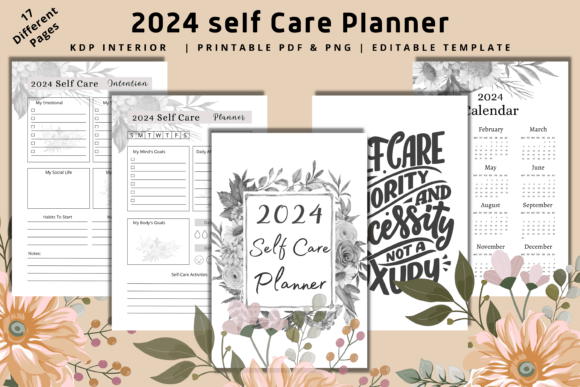
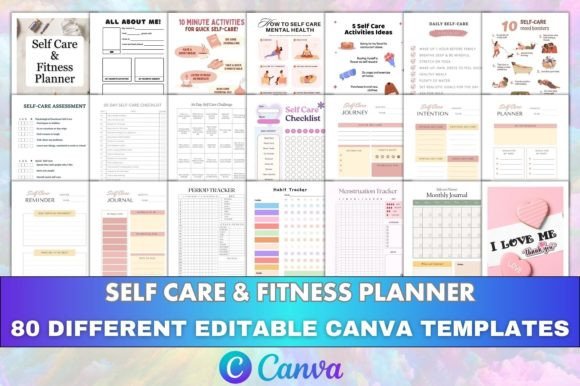
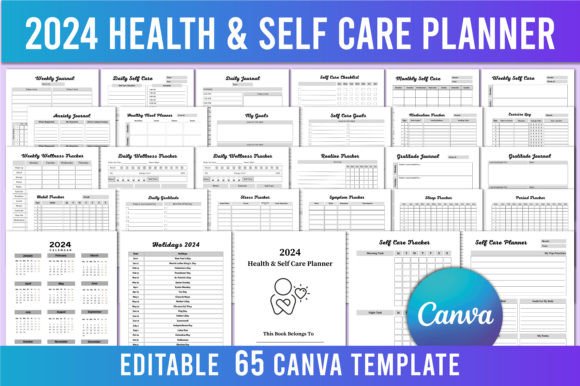
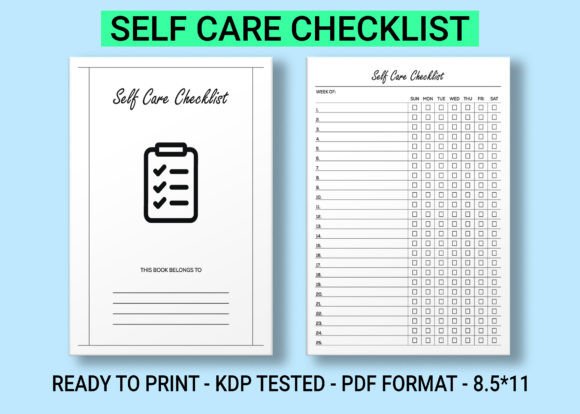
Building a book that truly resonates with readers often starts with the right foundation. For creators working with Amazon KDP or print-on-demand, the Self-Care Checklist KDP Interior offers a ready-made structure that combines practicality with meaningful design. This digital interior—available in editable AI, high-resolution PDF, and PNG formats—provides 120 pages at 8.5 x 11 inches, complete with an intro page and tested for Amazon’s upload requirements. But beyond the technical specs, what makes this interior valuable is how it can be adapted, personalized, and turned into a product that speaks directly to your audience’s need for mindful routines and simple daily rituals.
What Makes This Interior Useful?
The core of any self-care checklist is its ability to simplify habit tracking and promote consistency. The Self-Care Checklist KDP Interior does that by offering a canvas that is already laid out, with clear sections and enough pages to cover a full planning period. Because the interior comes with bleed and is KDP tested, publishers can skip the lengthy setup phase and focus on content design and branding. The inclusion of multiple file formats means that whether you prefer to edit vectors in Adobe Illustrator (AI) or work with raster images (PNG), the flexibility is there. The PDFs are print-ready, making them ideal for direct upload or for proofing before production.
For educators, wellness coaches, or hobbyists looking to create a personal journal, the structure saves hours of layout work. The 120-page count offers space for daily or weekly checklists without feeling overwhelming. An intro page sets the tone, allowing you to add a personal note, mission statement, or guided instructions for the user. That combination of ready-made and customizable is what separates this interior from a generic template—it’s built with the publisher’s workflow in mind.
Exploring Creative Possibilities
The Self-Care Checklist KDP Interior can be interpreted and extended in many ways. Below are several approaches that different creators might take, each tailored to a specific audience or goal.
1. Daily Wellness Trackers for Busy Adults
Many adults aged 20–50 struggle to maintain consistent self-care routines amid work, family, and social obligations. A checklist interior can be adapted into a daily tracker that includes prompts for hydration, movement, meditation, gratitude, and sleep. By using the editable AI file, you can adjust the categories to match the most common self-care areas. For example, split the 120 pages into four 30-day months, each with a different theme (physical, mental, emotional, social). Add a small checkbox for each item and a space for brief reflections. This creates a product that feels like a guided journal rather than a plain list.
Practical tip: Keep the checkboxes simple and the layout airy. Readers who purchase self-care products often value visual calm. Avoid cluttering the page—use the 8.5 x 11 inches to your advantage by leaving generous margins.
2. Seasonal Self-Care Planners
Instead of a standard monthly format, you can structure the interior around seasons. The first 30 pages could focus on “Spring Renewal” checklists (e.g., declutter, outdoor time, new habits), followed by “Summer Vitality,” “Autumn Reflection,” and “Winter Rest.” This approach appeals to readers who seek holistic, cyclical planning. Each section can have its own intro page (you can use the provided intro page as a template and duplicate it with seasonal wording). The high-resolution PNGs make it easy to add seasonal graphics or color schemes without worrying about print quality.
3. Mini Habit-Building Workbooks
Many self-care enthusiasts appreciate a deeper dive into specific habits. You can repurpose the Self-Care Checklist KDP Interior into a 30-day challenge workbook. For instance, dedicate each page to one day: on the left, a checklist of three core habits (like “5-minute morning stretch,” “no screen 30 minutes before bed,” “write one thing you’re grateful for”), and on the right, a small journaling space. The 120 pages accommodate 60 days if you use two pages per day, or 30 days with four pages per day (including introduction pages). The editable file lets you adjust the layout precisely.
Real-world example: A freelancer could create a “Creative Self-Care” workbook with checklists that prompt activities like sketchbooking, listening to a new podcast, or taking a solo walk—then sell it on KDP as a niche product for artists and writers.
4. Group Challenge or Gift Journals
Self-care checklists work beautifully as guided gifts for friends, family, or team members. Using the PNG files, you can create a cohesive visual style that matches a brand or a holiday theme. For example, a “Friendship Wellness Challenge” interior could include shared checklists where participants track the same habits and discuss progress. The 8.5 x 11 size is generous enough to allow for group annotations or notes. Because the interior is KDP tested, you can produce a small batch of physical copies for a workshop or retreat and still maintain professional print standards.
Adapting for Different Platforms and Formats
While this interior is designed primarily for KDP print books, its digital files also make it suitable for other formats. The PDFs can be uploaded to platforms like Etsy as printable planners, giving more flexibility if you sell digital products. The AI file allows you to export as SVG for use in web templates or social media content. For bloggers and entrepreneurs, the checklists can be repurposed into lead magnets—simply extract a few pages, brand them, and offer them as free downloads to build an email list.
If you are a small business owner creating branded stationery, the clean layout of the interior makes it easy to overlay a logo or color palette. The 120 pages mean you can create a year-long journal (one page per week with extra room for notes) without running out of content. For educators, the interior can become a classroom assignment sheet where students check off wellness activities (e.g., “walk for 10 minutes,” “drink water,” “talk to a friend”) as part of a social-emotional learning program.
How to Keep Results Clear and Effective
Regardless of which creative path you choose, certain principles will help your final product remain audience-friendly and professional.
- Maintain visual hierarchy. Use checkboxes, bold headers, and consistent spacing. The interior’s provided structure is a solid starting point, but you can edit the AI file to adjust font sizes or add subtle dividers.
- Test readability. Because the interior is 8.5 x 11 inches, you have room for medium-sized text (10–12 pt). Ensure that checklist items are concise—one line per item—so the page doesn’t feel dense.
- Balance repetition with variation. While checklists repeat daily or weekly, you can introduce small changes every 10 pages: a motivational quote, a different border, or a new category. This keeps the user engaged without disrupting the habit tracking flow.
- Use bleed correctly. The interior is supplied with bleed, meaning elements extend beyond the trim edge. When adding your own artwork or backgrounds, be mindful of the bleed area to avoid cutting off content.
- Optimize for consistency. If you plan to create a series (e.g., multiple volumes or themed editions), keep the layout and file organization consistent. The AI, PDF, and PNG files are named and structured to make this easier.
Practical Recommendations for First-Time Publishers
If you are new to KDP interiors, the Self-Care Checklist KDP Interior is a forgiving starting point. Here are a few concrete steps to get from file to finished book:
- Download and review all included files. Open the AI file in Adobe Illustrator to see layers. Examine the PDF for print quality and the PNG for resolution.
- Decide on your audience. Is this for stressed professionals, wellness beginners, or seasoned self-care practitioners? Tailor the checklist categories accordingly. A beginner might need simpler, more concrete items (e.g., “drink one glass of water”), while advanced users might prefer nuanced prompts (e.g., “practice a 10-minute breathing exercise”).
- Edit the intro page. Write a short welcome that explains how to use the checklist. Keep the tone encouraging but not preachy. Mention that consistent use can reinforce new habits.
- Add your branding. Insert a logo on the first page or a small icon at the top of each spread. Because the interior includes high-res PNGs, you can place branded elements without losing clarity.
- Upload to KDP. Since the interior is KDP tested, you can use the PDF directly. However, double-check margins and trim size (8.5 x 11 with bleed). Preview your book using the KDP Previewer to ensure nothing is cut off.
- Consider a companion product. Many publishers create a low-content journal or a digital version using the same PNGs. Offering a free downloadable sample of your self-care checklist on your website builds trust and can lead to sales.
Final Thoughts on Using the Self-Care Checklist KDP Interior
The Self-Care Checklist KDP Interior is more than a simple set of pages—it is a launchpad for numerous creative projects. Its thoughtful design (bleed-ready, multiple file types, 120 pages) removes friction for the publisher while leaving ample room for personal expression. Whether you are a small business owner crafting a wellness journal for clients, a blogger looking for a lead magnet, or a creator exploring print-on-demand, the interior adapts to your vision. By keeping the focus on clear, actionable checklists and a user-friendly layout, you can produce a product that genuinely helps people prioritize their well-being. For publishers looking to combine efficiency with meaningful content, this interior offers a strong foundation to build upon. Start with the editable files, tailor the categories, and deliver a self-care tool that readers will return to time and again.