2024 Self-Care Planner KDP Interior Review
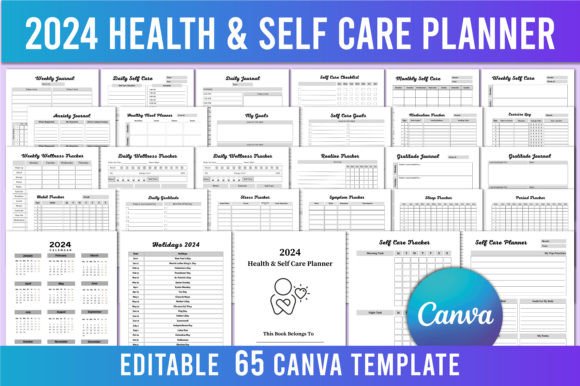
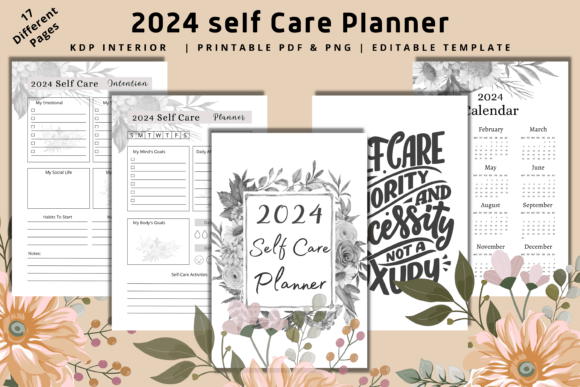
If you publish low-content books on Amazon KDP, you already know that a well-structured interior can make the difference between a listing that sells and one that sits. The Self Care Planner 2024 KDP Interior is designed specifically for creators who want to offer a thoughtful, ready-to-upload product to an audience hungry for wellness tools. This interior pack includes 17 distinct page types, a 2024 calendar, and multiple file formats — all wrapped in 119 pages of clean, intentional layout work.
Let’s walk through what this interior actually delivers, how it reads on the page, and where you can use it to serve your audience best.
What the Self Care Planner 2024 KDP Interior Actually Includes
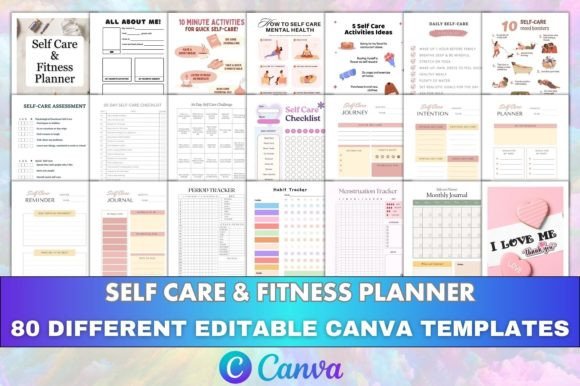
When you open this interior, you’re getting more than just a set of dated pages. The structure is built around the idea that self-care isn’t a one-size-fits-all practice. The 17 different page templates cover goal setting, habit tracking, gratitude journaling, weekly reflection, monthly mood mapping, and space for free writing. That variety matters because your customers — whether they’re busy entrepreneurs, creative professionals, or someone simply trying to carve out more balance — need flexibility in how they approach their well-being.
The 2024 calendar at the front gives a year-at-a-glance view, which helps with seasonal planning and long-term intention setting. After that, the interior flows into undated or dated tracking pages (depending on how you choose to use the file), so users aren’t locked into a rigid schedule. This is a subtle but important detail: life doesn’t always follow a Monday-through-Sunday rhythm, and the design acknowledges that.
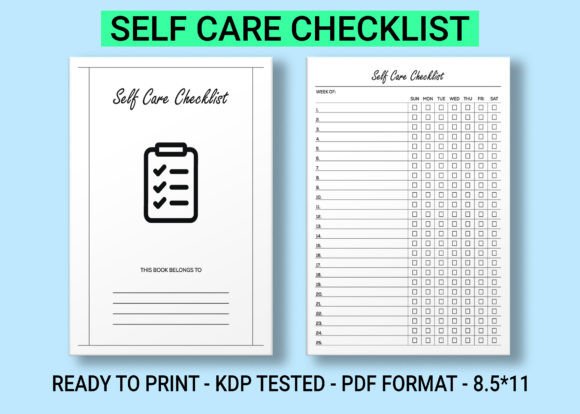
You receive the files in PNG, Canva Editable, PowerPoint (non-editable), and a ready-to-upload PDF with bleed at 6x9 inches. That 119-page count includes the interior pages themselves plus the standard front matter and back matter you’d expect for a polished KDP upload.
Visual Personality and Layout Style
The visual character here leans toward calm and uncluttered. There’s no aggressive color palette or distracting ornamentation. Instead, the pages use clean lines, generous white space, and a restrained approach to graphic elements. This matters because self-care content should feel like a pause, not an obligation. If the layout itself feels busy, the user’s brain registers stress before they even pick up a pen.
Headers are clearly defined but not shouty. Section dividers are gentle — think thin rules, subtle icons, and breathing room between content blocks. The overall impression is that of a premium but approachable tool. It doesn’t try to impress with visual gimmicks; it impresses by being easy to use.
For a display font or handwritten font approach, you could absolutely layer a script style onto the cover or section titles if you customize the Canva file. But the interior pages themselves benefit from a neutral sans serif font or a warm serif font for body text — the kind of modern typography that feels personal without sacrificing legibility at small sizes.
Publishers and content creators building a self-care brand
If you’re running a low-content publishing business, you need interiors that cover more than just a few generic trackers. This pack gives you enough variety to publish multiple variations — you could release a gratitude-focused version, a habit-tracker version, or a complete wellness journal by rearranging and selecting from the 17 page types. The Canva Editable file is your friend here: you can tweak prompts, swap section headers, or adjust the tone to match your brand voice.
Designers and brand strategists creating for clients
If you work with wellness coaches, therapists, or lifestyle influencers, this interior can serve as a starting point for custom journals. You’ll want to add their branding — logo, color palette, custom brand identity elements — but the structure is solid enough that you won’t need to build page layouts from scratch. The PNG files help if you’re mocking up covers or social media graphics to show clients how the final product will look.
Marketers and bloggers offering lead magnets
A self-care planner makes a strong freebie or opt-in gift. You can strip out a few pages from the PDF (like the monthly calendar and a single weekly spread) and offer them as a downloadable sample. That gives potential subscribers a real taste of the value before they commit. The clean, professional layout reinforces your authority — it doesn’t look like a thrown-together PDF.
Evaluate project fit before you begin
Ask yourself: Who is my buyer, and what do they actually need from a self-care planner? If your audience skews toward overwhelmed professionals, they need quick wins — one-page weekly reviews, a habit tracker that takes 30 seconds, and space for a single daily affirmation. If your audience is more reflective by nature, they’ll appreciate the journaling pages and monthly deep-dive prompts. This interior covers both ends, so you can lean into whichever direction fits your brand.
Font pairing recommendations
The interior pages themselves don’t dictate a specific typeface, but you’ll want to keep readability front and center. For body text, a sans serif font like Open Sans, Lato, or Montserrat works well — they remain crisp at 10pt to 12pt sizes. For headings, consider a display font with some warmth, like a rounded sans serif or a modern handwritten font that echoes the personal nature of self-care. Just be careful with script styles: they can reduce legibility at small sizes, so reserve them for larger headers or accent text.
Readability considerations in print
Because this is a 6x9 inch print interior, page real estate is generous enough to avoid crowding. But you still want to ensure contrast between text and background. If you customize the Canva file with colored backgrounds, keep the text dark — a deep charcoal or rich navy reads easier than pure black on tinted paper. And remember that bleed: the 0.125 inch bleed margin is already accounted for in the PDF, so don’t place critical text too close to the trim edge.
Commercial licensing and KDP compliance
This interior is tested and ready for KDP upload, which means the layout, page count, and formatting meet Amazon’s guidelines. You still need to ensure any fonts or graphics you add (if you customize the Canva file) are properly licensed for commercial use. If you stick with the included design as-is, you’re good to go. The product is described as “ready to submit to Amazon” for those with a low-content or no-content book business, so you can list without worrying about compliance issues.
How This Interior Supports Readability, Hierarchy, and Brand Perception
A self-care planner is, at its core, a tool for reflection. If the user has to work hard to figure out where to write, what the prompt means, or how the page flows, the experience breaks. The layout here uses clear visual hierarchy: section titles are larger and often bolded, prompt text is distinguished from answer space, and each page type has a consistent structure. That consistency builds trust — the user knows what to expect from page to page, which reduces cognitive friction.
From a brand perception standpoint, a clean interior signals that you took the time to create something that respects the user’s time. In the self-care space, that’s a powerful message. Buyers are often making an emotional purchase — they want to feel cared for by the product itself. A cluttered, poorly spaced layout undermines that feeling immediately. This interior avoids that trap with thoughtful margins and a restrained hand.
For audience engagement, the page variety helps keep users coming back. A planner with only daily pages can feel exhausting after a week. This one mixes daily, weekly, monthly, and freeform pages, so the user doesn’t burn out. That variety also gives you more content to highlight in your product listing — you can show screenshots of different spreads rather than repeating the same page type over and over.
Realistic Applications and Design Observations
One observation worth sharing: the 17 page types are not gimmicks. Each serves a distinct purpose, and together they create a complete self-care cycle. The gratitude pages anchor the day. The weekly reflection pages help users see patterns. The monthly overviews let them zoom out and adjust. That layered approach is something many premium journals get right, and this interior mirrors that thinking.
If you’re a designer or publisher who wants to differentiate your listing, consider pairing this interior with a cover that uses a handwritten font or a soft script font to mirror the personal tone inside. A warm, organic cover style combined with the clean interior creates a cohesive brand experience. You could also add a serif font for a more classic, heirloom feel — especially if your brand leans vintage or minimalist.
For social media graphics promoting your listing, pull a single page spread (like the weekly reflection or habit tracker) and style it as a mockup. Show it with a real pen resting on the page, or with a few sample entries written in. That kind of authentic preview builds desire more effectively than a sterile product shot.
Final Take on the 2024 Self-Care Planner KDP Interior
This interior delivers exactly what a KDP publisher needs: a complete, tested, flexible set of pages that requires minimal customization to go live. The 17 page types give you room to differentiate your product, the file formats support both quick upload and deeper customization, and the layout respects the user’s experience first.
Whether you’re launching a single planner or building a whole line of wellness journals, this interior provides a strong foundation. Pair it with a cover that reflects your brand, choose font pairing options that feel warm and approachable, and let the structure do the heavy lifting. Your buyers will appreciate a planner that doesn’t ask them to fight the layout — they can just open, breathe, and write.